Every year, the announcement of the Color of the Year sparks widespread discussion—and for good reason. These colors can offer helpful insight into where interior design trends are headed, especially for those planning a new home or exploring house plans. Still, these colors work best as inspiration, not rigid rules to follow.
As we look ahead, the bigger takeaway isn’t just which colors are being highlighted. It’s why warm, grounded tones keep showing up and what they reveal about how people want their homes to feel. The most stylish spaces in 2026 emphasize color, character, and a sense of home that is both inviting and timeless.
If you’re considering building a new house and
exploring our floor plans, here’s how to use 2026’s color trends as inspiration for your build without locking yourself into any single palette or style.
What 2026 Color Trends Actually Tell Us
One clear direction for 2026 is a move away from the cool gray tones that shaped past years. Instead, designers and homeowners alike are
embracing warmer, moodier, and more earthy neutrals. This shift reflects a broader desire for spaces that feel more grounded and more personal.
This shift isn’t just about color—it’s about creating spaces that work in harmony with architectural features, natural light, and the layout of the home. Whether your floor plan is open and flowing or more traditional with defined rooms, these warm tones help create a cohesive, comfortable atmosphere that stands the test of time.
Why Warm Neutrals Anchor Modern Design
Warm neutrals like beige, soft browns, and muted earth tones continue to serve as a strong foundation in residential design. These hues complement natural materials such as wood floors, cabinetry, and stone, while also pairing beautifully with painted walls, trim, and doors.
By using
warm neutrals throughout your home, you create a flexible backdrop that supports evolving aesthetics and personal style. Neutrals don’t have to feel plain. When paired with layered materials, mixed finishes, and a few contrasting furnishings, they can feel warm, lived-in, and full of character. This approach allows homeowners to change décor accents, furniture, and accessories without needing to repaint or remodel entire rooms.
Layered textures and subtle finish changes help these palettes feel inviting rather than flat. This is especially important in open-concept floor plans, where color continuity across connected living, dining, and kitchen areas enhances the sense of flow and spaciousness.
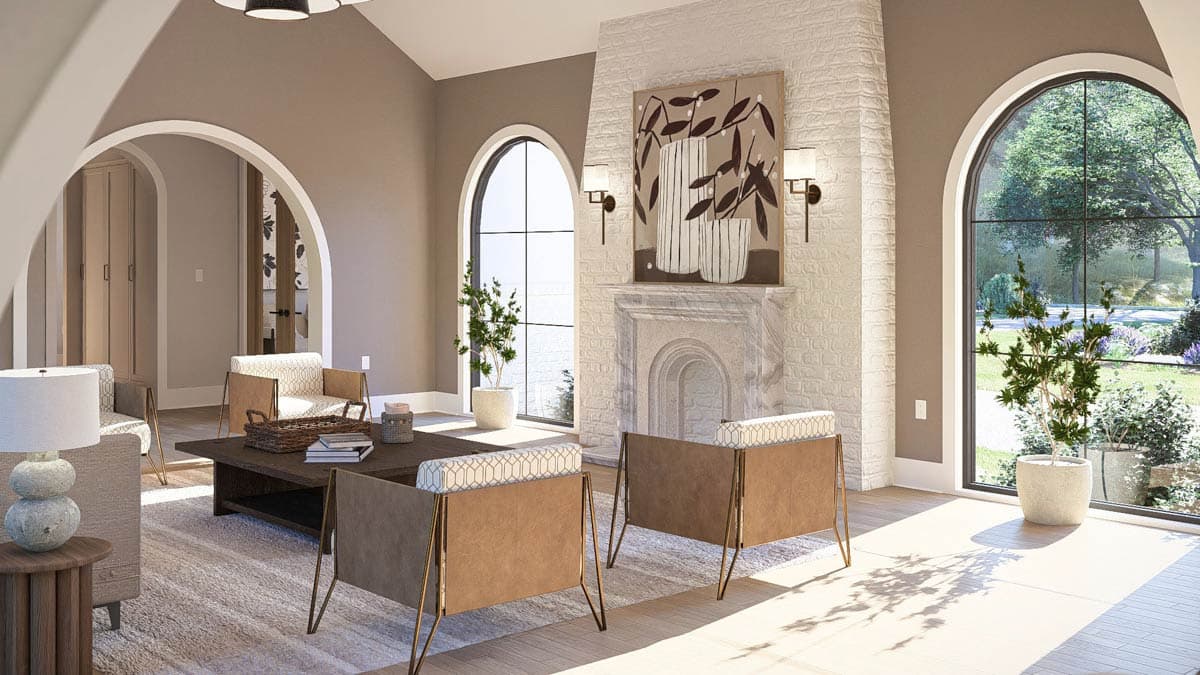
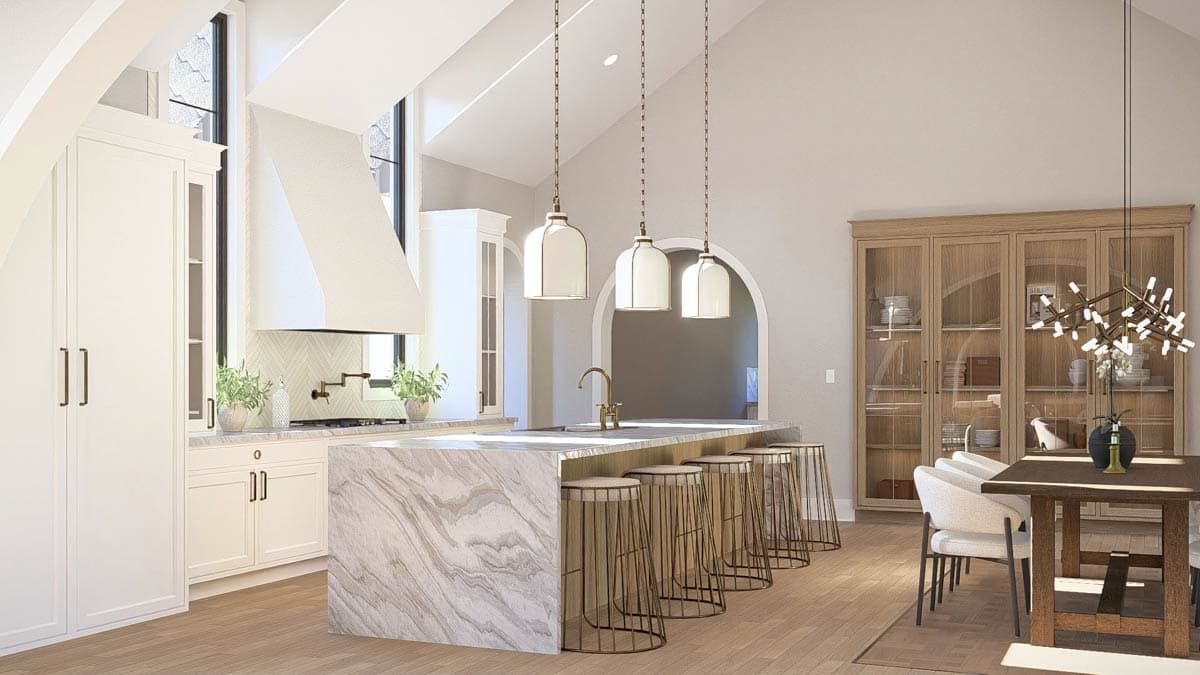
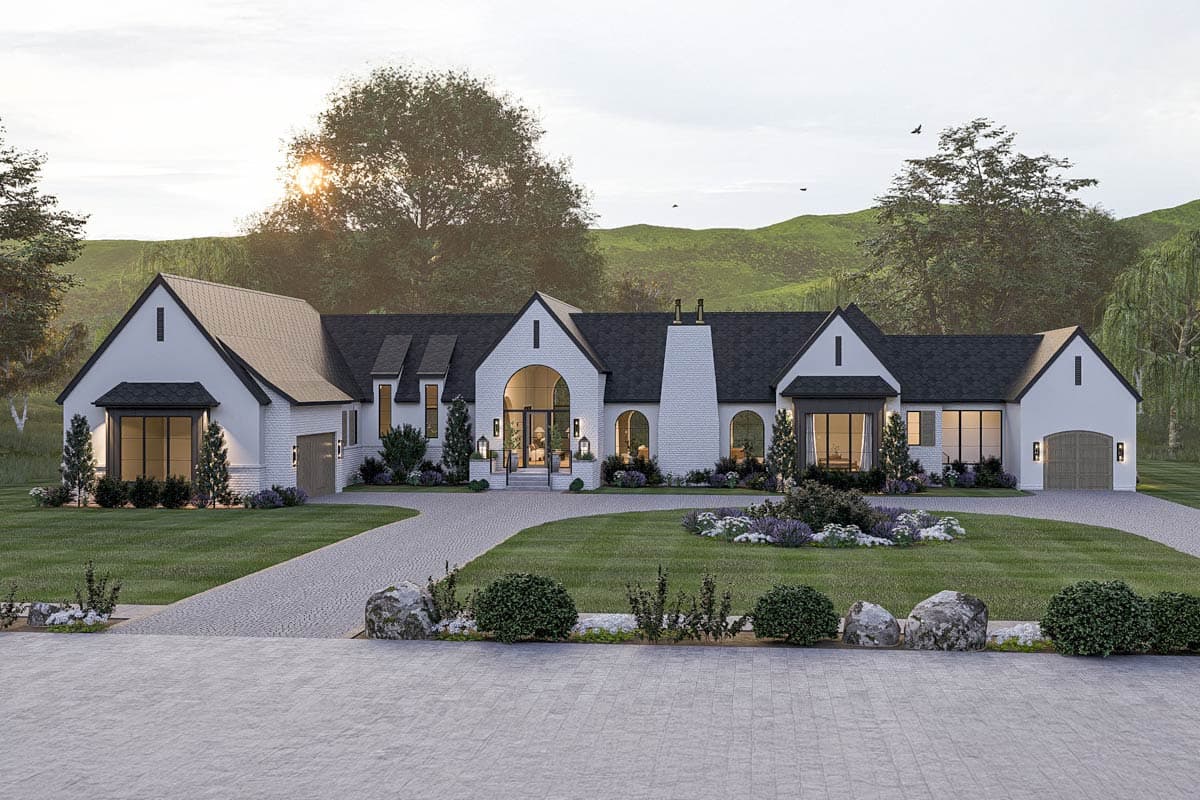
In Plan 623568DJ,
a contemporary European house plan, a warm neutral palette works especially well because the living, kitchen, and dining areas are so visually connected. Small shifts in tone from one space to the next can help the home feel cohesive while still letting details like cabinetry, wood finishes, and natural light stand out. This makes the space feel welcoming, timeless, and adaptable to future trends.
Loading plan...
Where Richer, Deeper Colors Fit Best
While lighter warm neutrals still set the tone, deeper colors are becoming a more common way to add contrast and personality in 2026. These shades are used thoughtfully as accents to bring personality and depth, rather than overwhelming entire rooms.
Designers often apply these richer hues to features such as
cabinetry, built-ins, interior doors, and even trim. This approach adds character in spaces like laundry rooms, bathrooms,
flex rooms, and
home offices without overwhelming the overall palette.
For example, calming sage green or deep moody blues create inviting, intentional spaces that stand out without clashing with the overall palette. This strategy works well in floor plans with clearly defined secondary spaces or architectural simplicity that welcomes contrast.
By moving away from the once-popular gray anything trend, these warm and rich shades suit a variety of cabinetry styles and finishes, including matte and natural wood tones, enhancing both aesthetics and longevity. Additionally, color drenching, which involves painting walls, trim, and ceilings in one color, is becoming increasingly popular in interior design, offering a seamless and immersive color experience that complements these rich hues.
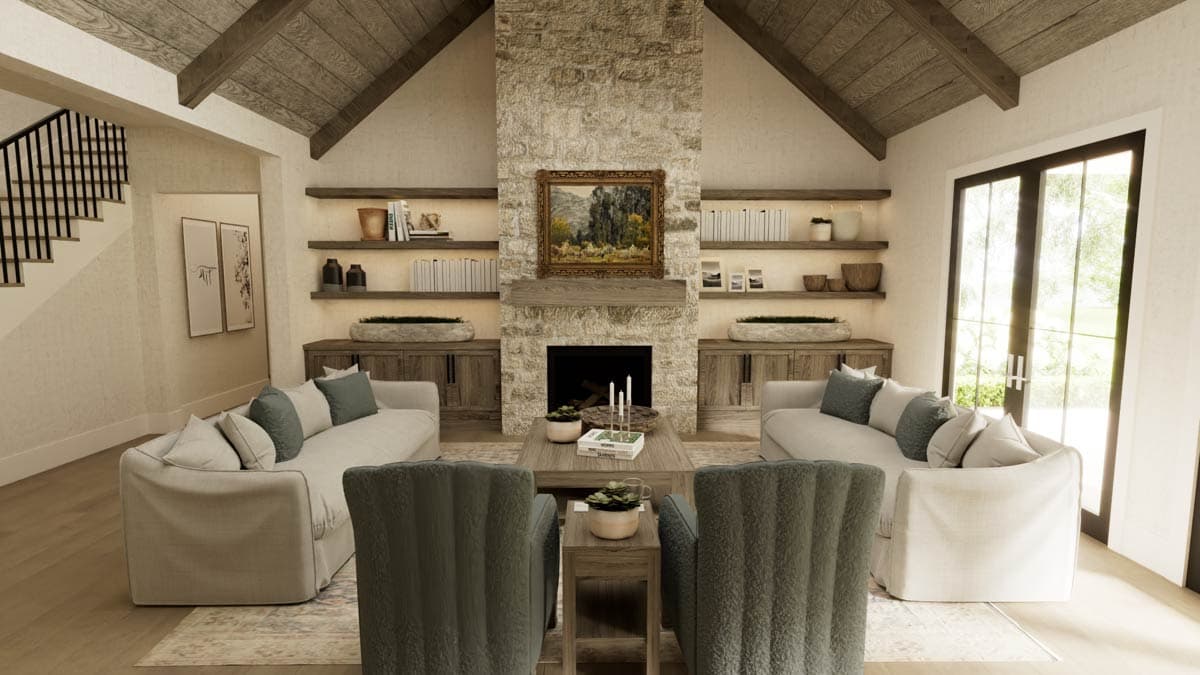
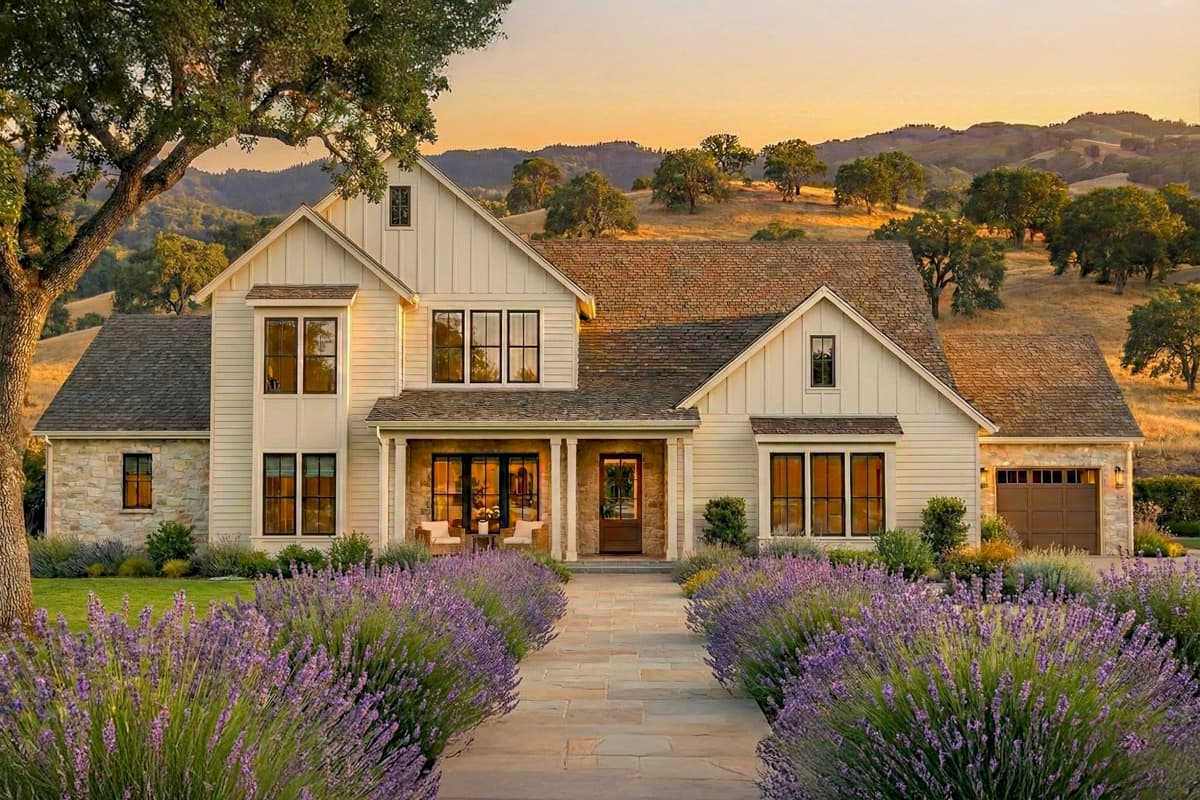
In Plan 820008WSF, a
two-story transitional house plan, the home office is a good example of how deeper tones can add contrast and definition while still working with the home’s more open main living areas. Contrasting built-ins and the wood ceiling in the living room add depth and help show how color and material choices can bring warmth to a clean, open layout.
Ceilings are being treated as a 'fifth wall' with bold treatments like paint, wallpaper, or wood paneling to add character, enhancing the overall ambiance and architectural interest of the space.
Loading plan...
Specific Trend: Warm Minimalism
Warm minimalism continues to influence interior design in 2026, and it’s easy to see why. It blends the simplicity of minimalism with natural materials and soft, earthy colors that make a space feel more comfortable and lived-in. This shift is all about creating rooms that feel serene and sophisticated, but never cold or impersonal.
Instead of relying on stark white walls and sharper contrasts, this version of minimalism leans warmer and softer. The palette often includes gentle beiges, muted blues, and soft greens that help rooms feel calm and inviting. These shades are getting paired with natural materials like wood and stone, and the result is texture and warmth in every corner. What we're getting is a style that feels both modern and timeless. It's offering people that peaceful retreat from the outside world they're really craving right now.
For homeowners who like simplicity but don’t want a space to feel cold, warm minimalism offers a practical middle ground. We're seeing people focus on quality over quantity, choosing colors and materials that add genuine warmth rather than just following what's trendy. This approach is creating spaces that work as well as they look – and that's exactly what people want from their homes in 2026.
Why Green Keeps Gaining Ground in Home Design
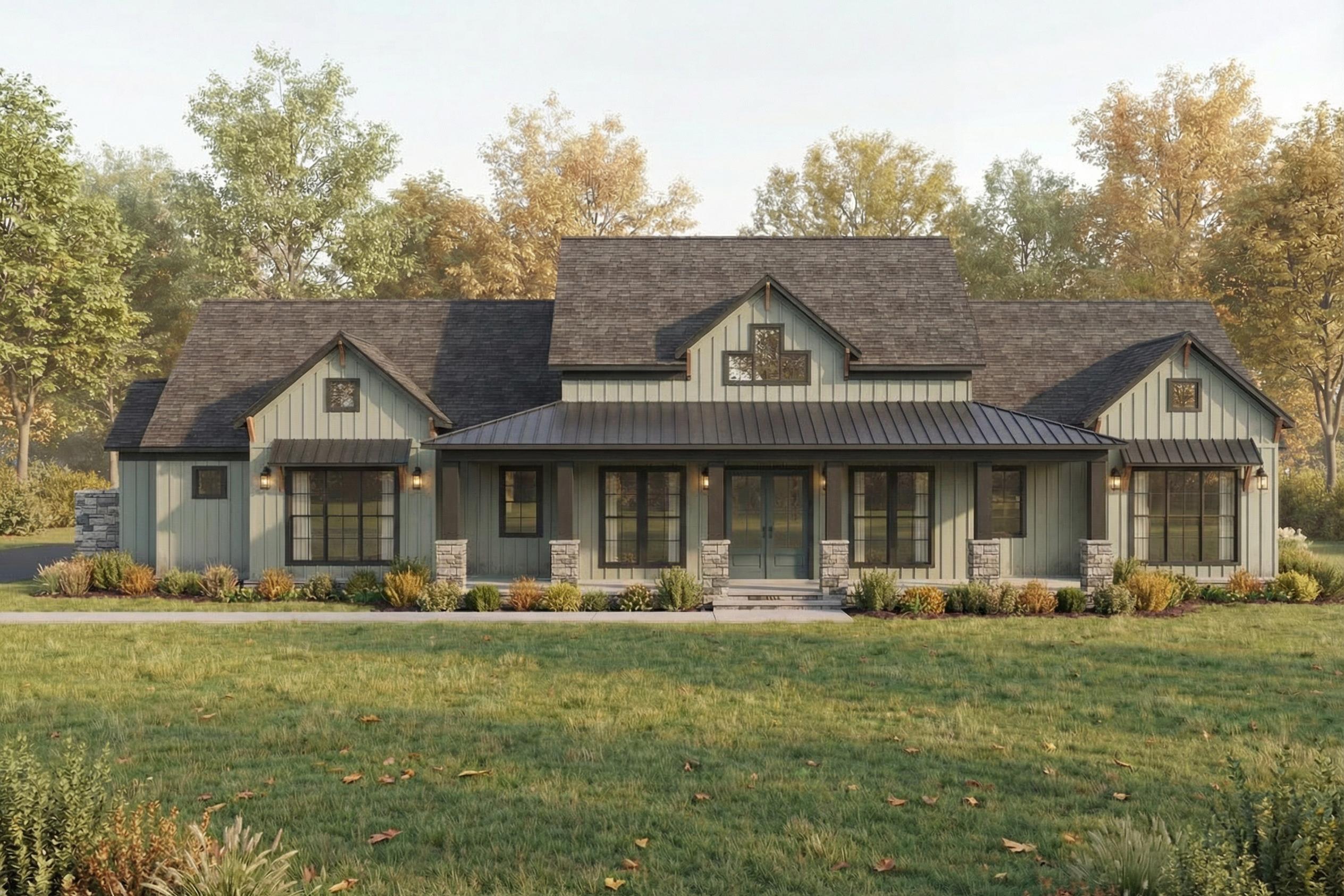
Green continues to stand out because it can feel both grounded and expressive. It pairs easily with natural materials like wood and stone and works well across a
wide range of styles.
That flexibility makes green a strong option for both interiors and exteriors, effortlessly connecting indoor living spaces with outdoor environments. Whether used on walls, cabinetry, accent pieces inside the home, or on exterior siding and trim, green adds a calming yet vibrant energy that aligns perfectly with 2026’s focus on warmth, character, and timeless style.
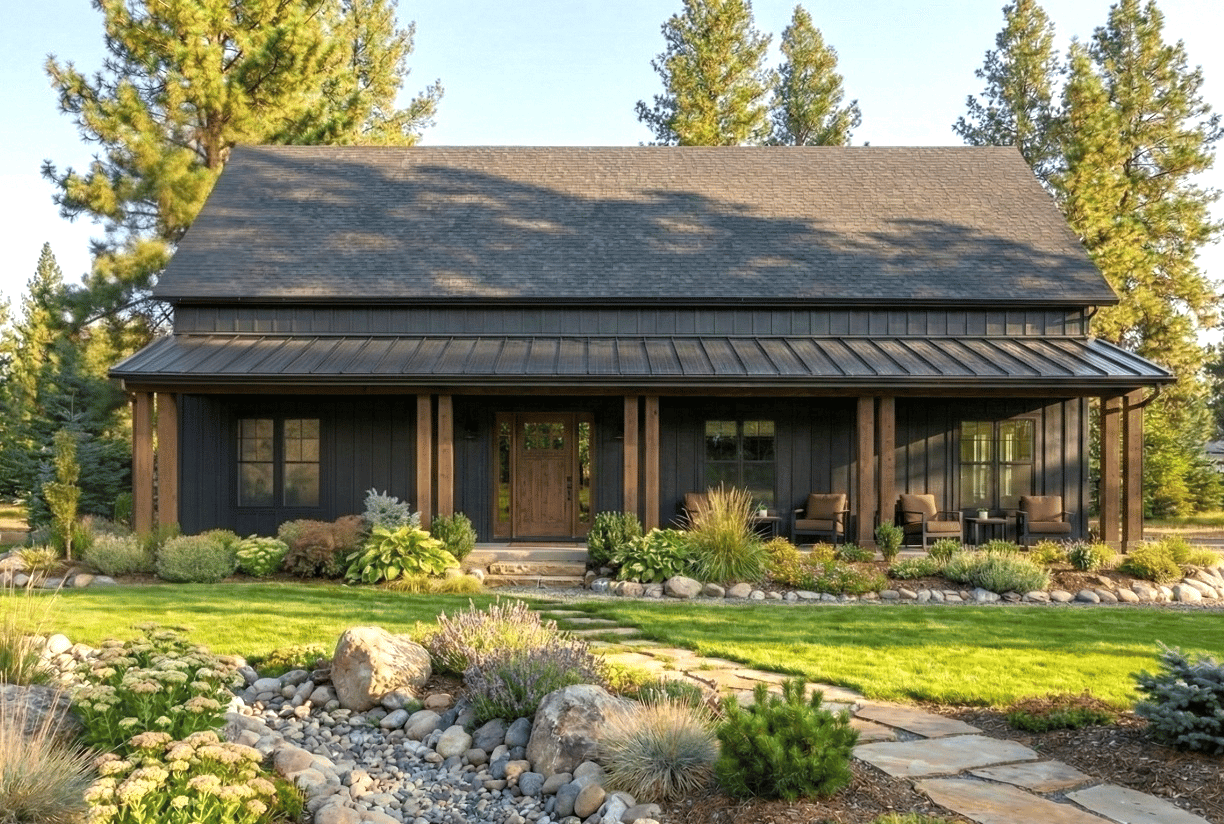
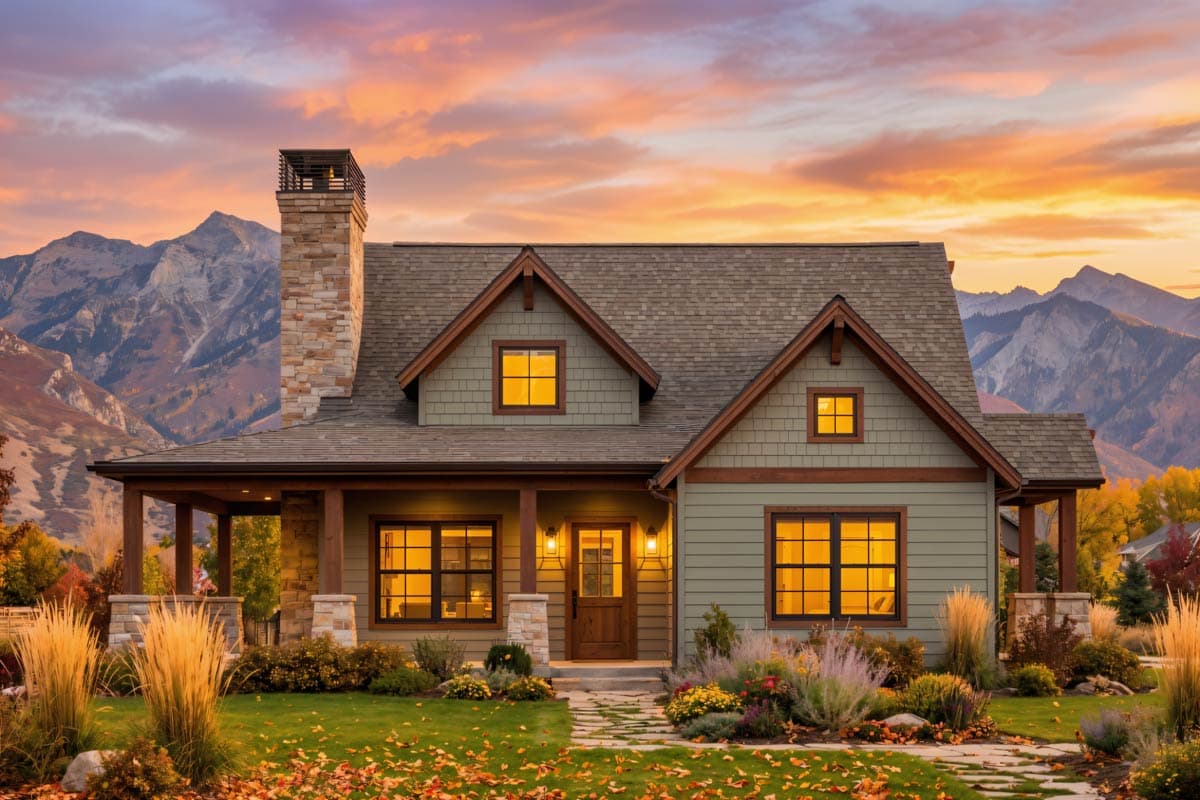
Plan 818193JSS - 3-Bedroom Mountain House Plan with Wrap-Around Porch
Plan 70947MK - Modern Farmhouse House Plan with 3-Car Garage and Outdoor Living
How to Apply Color Trends That Stand the Test of Time
Color trends should be embraced as flexible inspiration rather than strict guidelines. When
selecting a house plan, whether
open or closed concept, choose one that adapts to evolving color trends and allows you to effortlessly incorporate your personal style over time.
Open floor plans make it easier to carry warm tones from room to room, which can help the main living areas feel cohesive. This openness invites layering of tones and textures that create inviting, cohesive environments.
Closed-concept floor plans give you more opportunities to use different colors or moodier accents in individual rooms. Applying deeper shades in specific rooms adds depth and character while maintaining a balanced and harmonious home.
Both layouts can work well with 2026 color trends. The key is choosing colors that support the way the plan is laid out and how natural light moves through the space.
Design First: Building a Foundation for Color
While paint colors and finishes may change over time, the floor plan remains the foundation for a home that feels functional, flexible, and lasting.
When exploring
Architectural Designs' newest house plans, consider how the layout, sightlines, and natural light will support your color choices now and later on. Whether you favor the openness of modern layouts or the intimacy of traditional rooms, selecting a house plan that aligns with your lifestyle empowers you to integrate color trends in a way that feels both fresh and long-lasting.
Explore our newest house plans to find a design that gives you a strong foundation for today’s color trends and your own style over time.