Building a home starts long before the first nail is hammered — it begins with financing. Unlike buying an existing home, where you’d take out a mortgage, new construction is funded through a construction loan. These loans are structured differently, but they’re designed to support you at every stage of the build. Understanding how they work will help you move confidently from house plan to finished home.
What Is a Construction Loan and How Does It Work?
When you build a home, the costs don’t come all at once — they unfold in stages as the foundation is poured, framing goes up, and systems are installed. A construction loan is designed for this process. Unlike a traditional mortgage, which provides a lump sum at closing, construction loans are short-term financing (typically 6 to 24 months) structured to match the pace of construction.
Funds Released in Stages: Lenders distribute money in “draws,” tied to specific milestones like foundation work, framing, or finishing. Borrowers usually pay interest only on the funds drawn
Covers More Than Just the Build: Construction loans can include land, labor, materials, permits, and inspections.
More Documentation Required: Because the home does not yet exist, lenders require more paperwork and may charge higher interest rates.
This staged approach keeps your financing aligned with progress on the home, protecting both you and the lender.
How Does a Construction-to-Permanent Loan Work?
A construction-to-permanent loan finances your home during the build and then automatically converts into a traditional 15- or 30-year mortgage once construction is complete.
Benefits of a Construction-to-Permanent Loan
This type of loan is a popular choice for anyone planning to stay in their home long-term. It is designed to simplify financing in three key ways:
One closing instead of two
A smooth shift from building to long-term repayment
Predictable monthly payments once you move in
How It Differs from a Construction-Only Loan
By contrast, a construction-only loan covers just the building phase. Once the home is finished, you must apply for a separate mortgage, which means two closings and potentially higher costs.
Typical Requirements
Because construction carries more risk than buying an existing home, lenders often set stricter requirements for construction-to-permanent loans. These may include:
A larger down payment, typically 20–25% (sometimes up to 30%)
A solid credit score and manageable debt-to-income ratio
An appraisal of your home’s projected value once complete
Licensed professionals on your build team, with budgets and blueprints submitted for approval
Requirements vary by lender — conventional loans may be more flexible, while government-backed options can come with added restrictions. Either way, these steps are meant to protect both you and the lender while keeping your project on track.
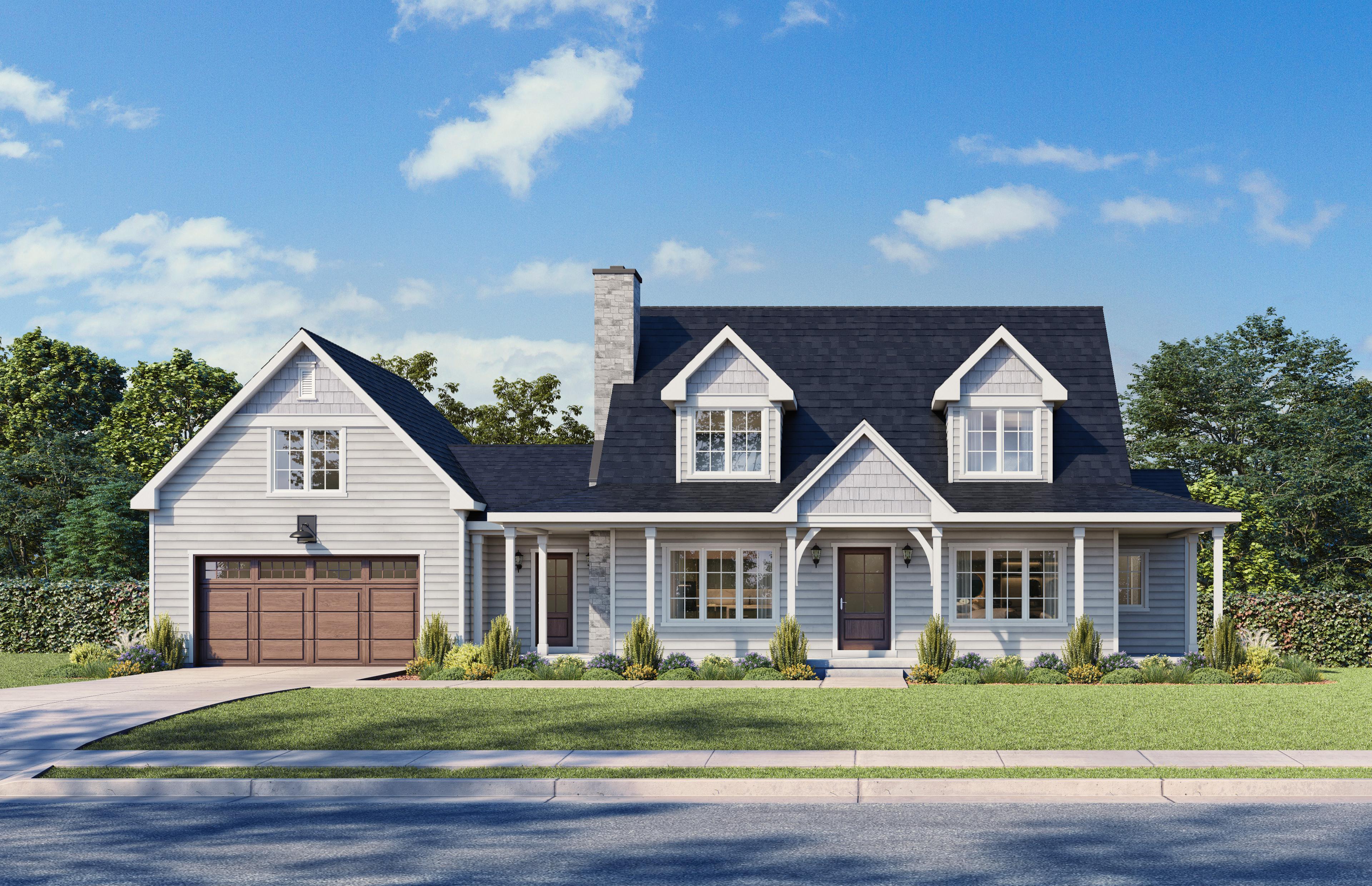
Featured: ★ Exclusive Plan 22017SL
This farmhouse plan includes the detailed floor plans and elevations lenders typically want to see, making it a good example of how house plans support the financing process. What Plans and Documents Do Lenders Require for a Construction Loan?
When you apply for a construction loan, lenders often ask for drawings and documents that serve as a roadmap for the build. These may include:
Floor Plans and Elevations: Show the size, layout, and design of the home you're planning.
Structural Details: Explain how the home will be built and supported.
Site-Related Documents: Illustrate how the home will sit on the property.
Clear documentation helps lenders evaluate costs and move the process forward with confidence. Some items, like engineering stamps or site-specific drawings, are typically handled locally.
Learn more in our FAQs. Extra Tools That Strengthen Your Application
A detailed house plan is the foundation of your loan application, but additional tools can make the process even smoother and give lenders more confidence in your project.
How to Apply for a Construction Loan: Key Steps
Applying for a construction loan takes more documentation than a standard mortgage, but the process is straightforward once you know what to expect. While every lender has its own requirements, most borrowers can anticipate these steps:
Step 1: Select Your House Plan
Lenders want to see exactly what you’re building. Our collection of pre-drawn plans makes this step simple, and optional materials lists can add even more detail to strengthen your application.
Step 2: Hire a Licensed Builder
A signed contract with a licensed contractor shows the lender that your project is being managed professionally and within a defined budget.
Step 3: Provide Budget and Land Details
You’ll need to share your cost breakdown and proof of land ownership or purchase so the lender can confirm the full scope of the project.
Step 4: Share Financial Documents
Just like with a mortgage, you’ll be asked for pay stubs, tax returns, bank statements, and other documents that show your ability to repay the loan.
Step 5: Prepare for Inspections
Throughout construction, lenders will send inspectors to verify progress. Each completed milestone releases the next round of funds.
Building vs. Buying: The Financing Difference
Mortgages are the right tool for buying an existing home. If your goal is to build, construction loans and construction-to-permanent loans are designed to fund that process instead. The process starts with a plan. Having
detailed house plans in hand gives lenders clarity and confidence, while giving you a roadmap for your future home.
Browse our newest house plan collection to compare layouts, and take a look at a Cost to Build Report to see how the numbers might work for your budget.