Considering Building a House? Top 5 Benefits of Building vs. Buying
If you're planning your next move, one of the first decisions you'll face is whether to buy an existing home or build a new house from the ground up.
Buying can feel more straightforward at first, but many buyers find that building a house offers more choice, especially when it comes to the floor plan, modern features, materials, and how well the home supports their needs.
If you're weighing your options, understanding the benefits of building can help you decide whether it's the right path for you. Building a home also involves more than construction alone, from buying land and choosing a house plan to permits, approvals, and the timeline required to complete the project.
Why Many Buyers Choose to Build
Building a custom home gives buyers something many existing homes cannot: a blank slate. Instead of working around someone else's choices, you can
start with a floor plan that fits your family's needs today and in the future.
From there, home builders and contractors help bring that vision to life while coordinating the many parts of the project. While that kind of investment is generally significant, many buyers see value in creating a home that fits how they actually live now and how their needs might change down the road. Let's explore 5 reasons so many choose to build.
1. You’re Not Limited to What’s Available
Buying an existing home can feel rushed, especially when desirable listings move quickly. Recent data from the
National Association of Realtors shows contracts typically closing in about 30 days, with listed homes receiving an average of 2.2 offers.
In some markets, that can leave buyers making fast decisions and being more flexible on the location, layout, or features they want. Building offers a different path. Instead of competing for available inventory, you can focus on
choosing from house plans, finding the right lot, and planning a home building project that reflects what matters most to you.
2. More Floor Plan Flexibility from the Start
Building gives you more control over the floor plan and features, so you can choose a layout that works for your household instead of adapting to choices made for someone else.
That might mean choosing the number of bedrooms and bathrooms you want or a home with features like a
home office,
multi-generational layout, or storage features like walk-in attics or mudrooms.
And if you find a house plan that's close but not quite right, our
modification services can help you customize it to better match your needs, whether that means reworking the floor plan or updating the exterior design.
Starting with a pre-designed floor plan also skips the design phase entirely, which can move the overall timeline along faster than starting from a fully custom design. Permit timelines themselves still depend mostly on your local jurisdiction.
3. Modern Features and Materials
Building a home gives you the chance to start with current materials, energy-efficient options, and modern features.
That might include better insulation, updated windows, newer appliances, or smart home technology that helps manage lighting, temperature, and security more easily. These choices are less likely to need updating again soon after move-in, and can mean lower long-term utility costs.
4. Fewer Maintenance Concerns Early On
One benefit of building a custom house is that many of the major systems and materials are brand new. That can mean fewer maintenance concerns early on, especially compared to an older home with aging components.
New roofing, HVAC systems, appliances, and other materials can give buyers more peace of mind in the first few years. In some cases, home builders also offer limited warranties that help cover certain issues after construction is complete.
5. More Control Over Privacy
Building a house can give you more control over privacy, both in the placement of the home and in the house plan itself.
The lot you choose can also play a big role in how much privacy the home has. Some buyers may prefer a setting with nearby neighbors and a more connected neighborhood feel, while others may want a lot with more space or views of open land behind the home.
The house plan can also help support that goal.
Designs with courtyards, rear-facing
outdoor living areas, or layouts that create more separation between indoor and outdoor spaces can help create a more private feel.
Cost Considerations and Budgeting
When you're planning to
build a custom home, understanding the full scope of the cost and setting a realistic budget are important early steps. The total investment goes beyond labor and materials. It can also include:
Land purchase and site preparation
Permits and inspections
Utility connections like water and electricity
Materials and finishes
Contractor and subcontractor fees
Coordination and management expenses
The number of bedrooms and bathrooms you choose, the quality of materials, and the location of the home can all shape the overall budget. Financing costs and the ongoing expenses that come with owning and maintaining the home are also worth considering as you plan.
Working with an experienced contractor can help keep the budget in line and reduce the risk of expensive mistakes. Careful planning and budgeting for each phase of the project can help you create a home that fits your needs without stretching beyond what feels manageable. Taking time to review potential costs, including upgrades or changes that may come up during construction, can help you avoid surprises from start to finish.
What to Expect During the Construction Process
If
building feels like the right path for you, it helps to understand what the construction process typically involves. The full process, from finding property to move-in, generally takes 12 to 18 months for most buyers, though it can run longer depending on your location, permitting timelines, and the complexity of the build.
Before construction begins, buyers also need to think through the lot, utilities, permits, and overall readiness of the site.
Typical stages of construction include:
Site preparation and land clearing
Foundation work
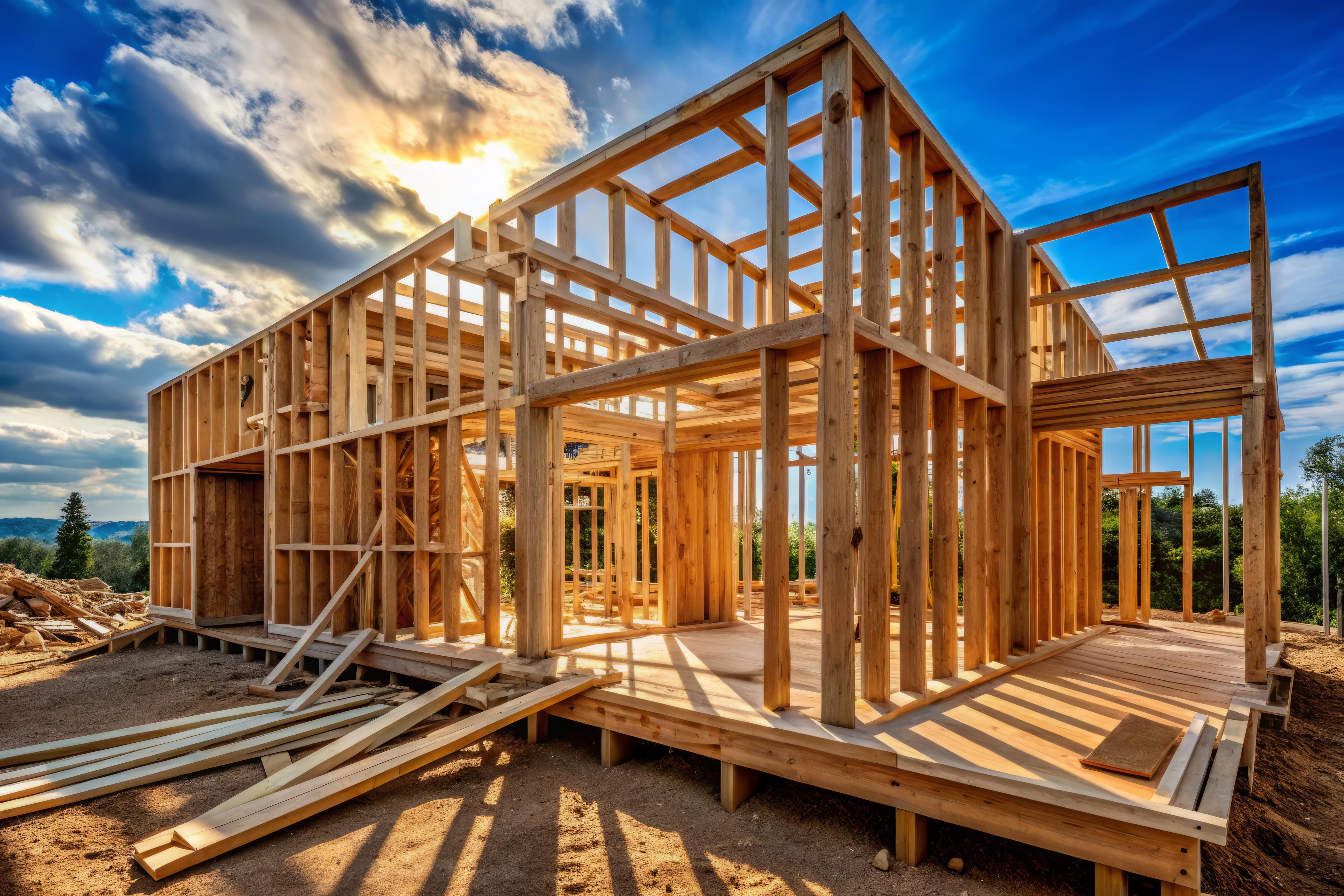
Framing the structure
Installation of utilities such as plumbing, electrical, and HVAC
Interior finish work including carpentry and cabinetry
Final inspections and obtaining a Certificate of Occupancy
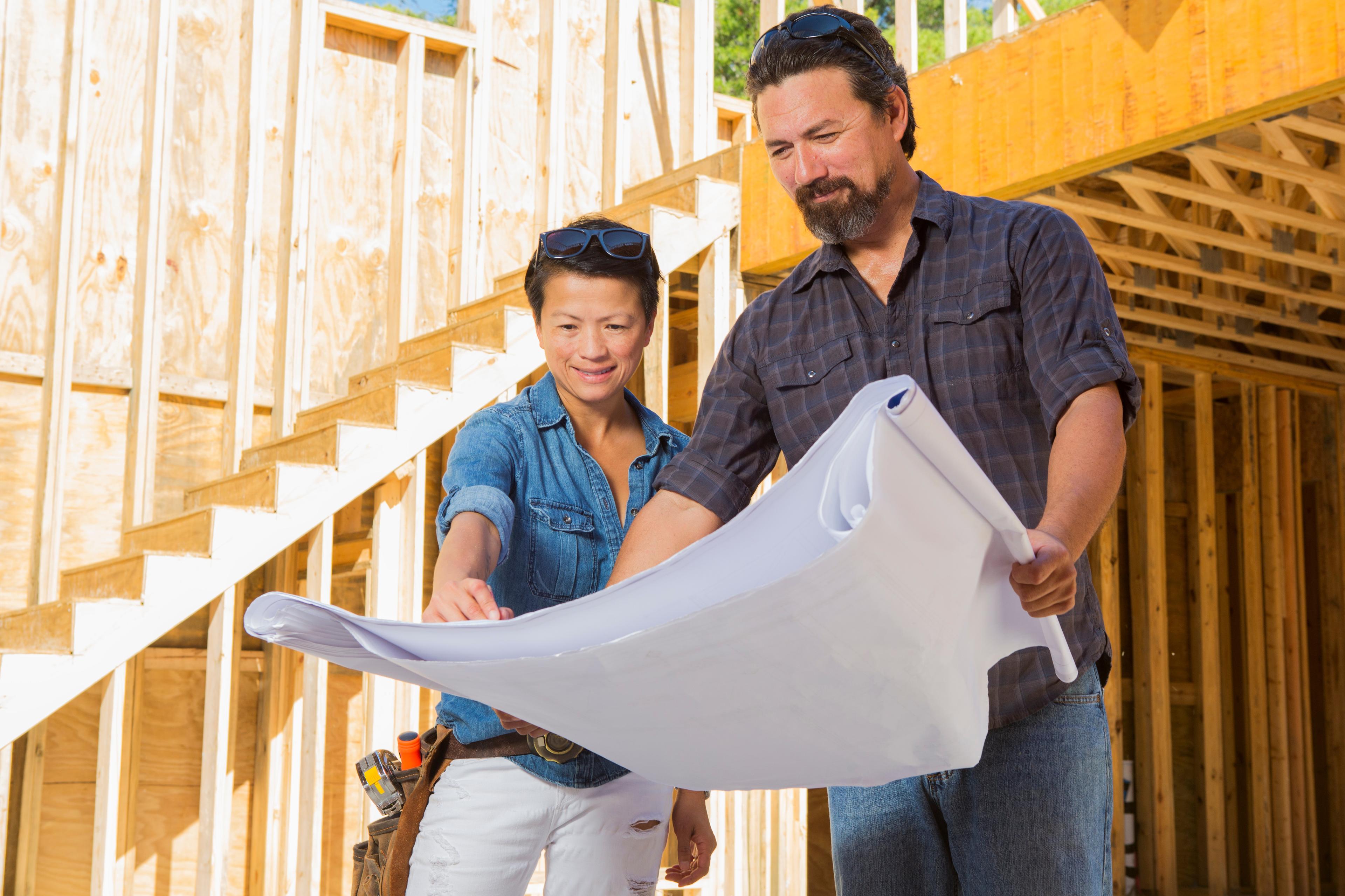
Selecting a reputable builder is also an important part of the process, so it helps to interview multiple candidates, check references, and review past projects.
Ready to Build a House?
If you're thinking about building, starting with the right house plan can make the process feel much more manageable.
Architectural Designs offers house plans in a wide range of sizes and styles, along with modification services that can help you tailor a plan to better fit your needs.
If you're not sure where to begin, our
guide to the home building and construction process offers helpful information as you prepare to work with home builders and move forward with your project. If questions come up along the way, our team is here to help.