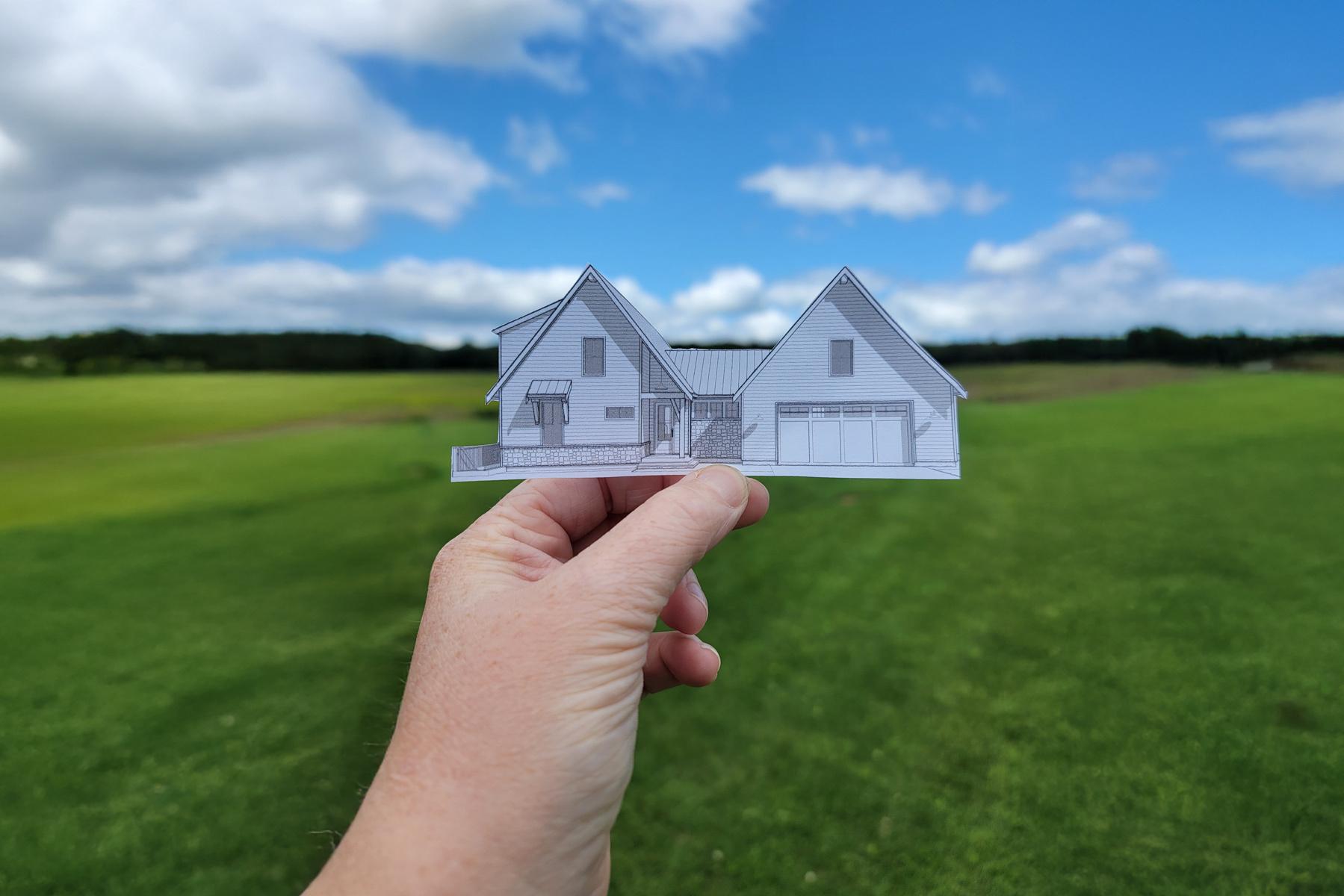
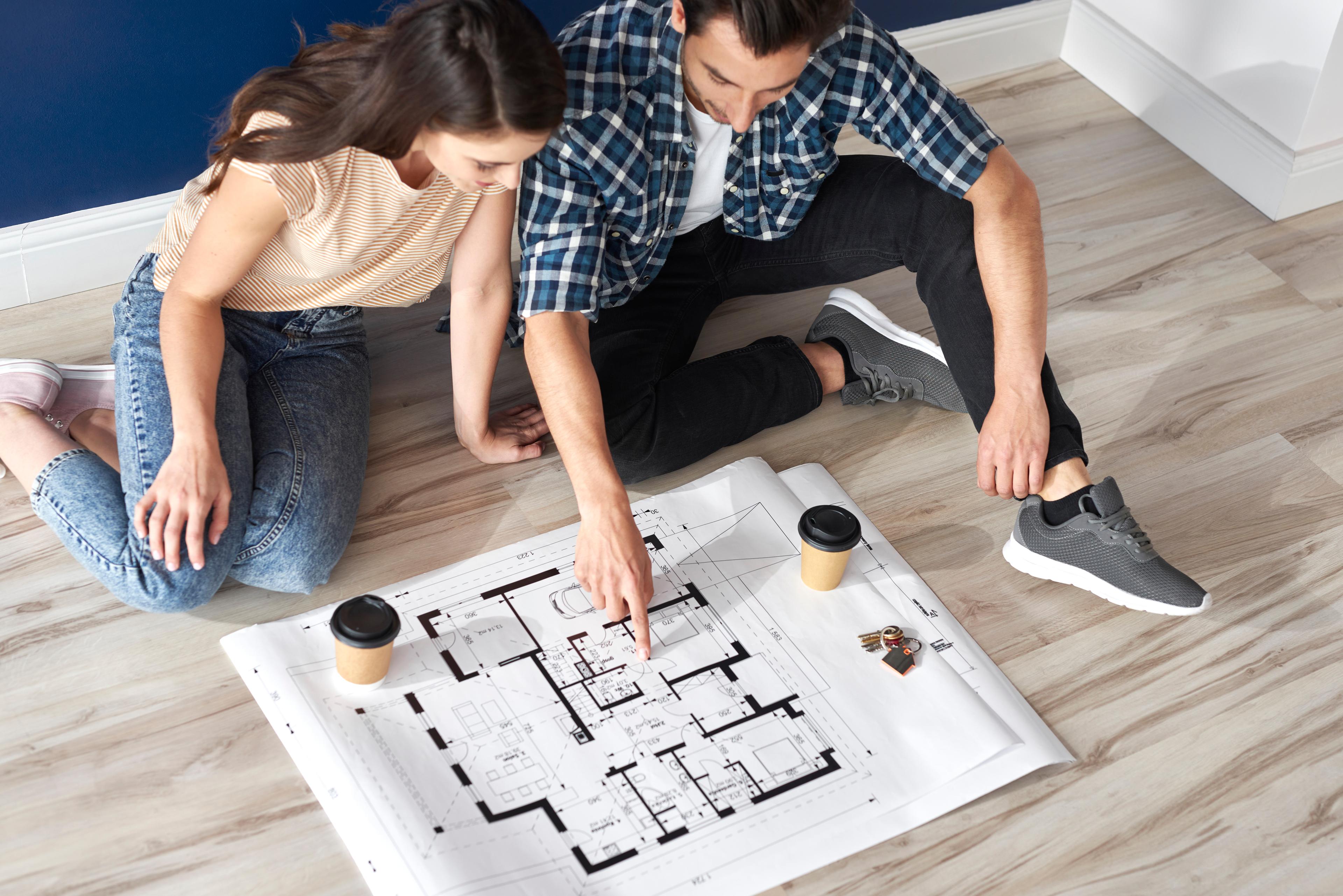
Buying a house plan for the first time is exciting — and knowing what you're looking for before you start makes the whole experience even better. The best place to start is getting clear on your budget, your daily routines, your lot requirements, and the features that matter most for how your household lives. With those in place, you'll browse with purpose and recognize the right plan when you find it.
This checklist walks you through each one so you can move forward feeling informed and ready.
Your Complete First-Time Builder Checklist
1. Know your lot before you choose a house plan
Your lot size, shape, and orientation are great starting points for focusing your search. Knowing a few key details up front helps you match plans to your land more efficiently. Here's what to have on hand:
Lot width and depth. Many plans list minimum lot requirements, so having your dimensions ready makes it easy to filter your options.
Setback requirements. Local zoning rules dictate how far a home must sit from property lines, which helps define the usable footprint on your lot.
Slope and orientation. A
sloped lot can open the door to plans with a walkout basement or specific foundation type. Orientation also affects how natural light moves through the home.
Utility access and drainage. Knowing where your water, sewer, and electrical connections will come in helps you think through garage placement and entry points early.
Some buyers start with land, others start with a plan — both approaches work. If you're still searching for a lot, keeping both searches running in parallel makes it easier to match the two. If you already have a plan in mind, use these lot considerations as a checklist to confirm it's the right fit for your land.
2. Set a realistic budget — for everything
The cost of a house plan is a small fraction of the total project cost. Getting a general sense of what you can spend to build in your area helps you focus your search on plans that are a great fit from the start.
A few things that affect build cost:
Square footage. Layout efficiency plays a big role here —
a well-designed 1,800 sq ft plan can live just as comfortably as a larger one, depending on how the spaces are organized.
Roof complexity. Plans with cleaner rooflines are typically more straightforward to build, which can help keep costs in range.
Number of corners. Simpler exterior shapes generally mean less framing, material, and labor.
Finish level. The plan determines the structure, but your finish choices — flooring, cabinetry, countertops — are a major budget variable.
Talk to a local builder to get a rough cost-per-square-foot estimate for your area early or explore
Architectural Designs' Cost to Build Reports that give you plan-specific cost estimates so you can browse with a realistic number in hand.
3. Think about your daily routines — then start browsing
Your lifestyle is the best filter for finding the right floor plan. Taking a few minutes to map out your daily routines before you browse makes it easy to spot the layouts that will work hardest for your household.
A few questions to think through:
Do you need a
dedicated home office, or will a
flex room work?
How important is a
split-bedroom layout for privacy?
Do you want the primary suite on the main level?
How much kitchen storage and counter space does your household need?
Do you cook together, or is one person usually in the kitchen at a time?
How often do you use outdoor space — and how easy does the plan make it to get there?
A plan with a rear covered porch, sliding doors, or a direct connection from the kitchen to the backyard makes everyday outdoor living more practical. A
plan with a mudroom or drop zone near the garage entrance adds real convenience for busy households. These are the kinds of features that support daily life in ways that feel natural once you're living in the home.
4. Decide which features you'd like to modify — and make the plan your own
Some buyers find a plan that's exactly what they had in mind. Others find one that's close and want to make it their own. Both are great outcomes — and our modification services are here to support you either way. From simple adjustments to more involved changes, our team can help you customize a plan so it's the right fit before you build. Learn more about
how the modification process works.
Easier to modify:
Swapping fixture and finish specifications
Adjusting interior door placement
Adding or relocating windows on non-load-bearing walls
Changing the garage orientation (in some cases)
More involved modifications:
Moving load-bearing walls or structural elements
Changing the exterior elevation
Adding or removing a floor
Relocating a staircase
Knowing what changes you'd like before you purchase gives you a great head start on the conversation with your builder.
5. Loop in your builder to confirm local code requirements
Every house plan on Architectural Designs is
drawn to meet industry-standard building and residential codes. Depending on where you're building, your state, county, or municipality may have additional requirements — things like specific insulation values, wind or snow load specs, or zoning rules unique to your area. Your local builder or engineer can review your plan, confirm it meets local requirements, and let you know if any adjustments are needed before you break ground.
A few things your builder can help you confirm:
Foundation type. Slab, crawl space, and basement foundations each work well in different regions and soil types. Your builder can confirm the right fit for your area.
Energy and insulation requirements. Some states have specific requirements for wall thickness, insulation R-values, or window performance.
Snow and wind loads. If you're building in an area with heavy snow or high winds, your engineer can confirm the structural specifications are dialed in for your location.
Your builder is your best resource here — most of these conversations happen naturally as you move from plan selection into the building phase.
6. Walk the plan before you commit
Understanding how a floor plan will actually feel to live in is one of the most valuable things you can do before you build — and
Walk Your Plans makes that possible. Here's what the experience includes:
Full-scale walkthrough. Walk Your Plans projects your floor plan at full scale onto the floor so you can move through every room in person and see how spaces connect.
Furniture placement. Place furniture, vehicles, and fixtures to see how your space will actually function.
Live collaboration. Work with your builder or designer on the spot — or invite remote participants to join from anywhere.
Plan comparison. Walk two or more plans back to back to feel the difference in size, layout, and flow.
Real-time modifications. Sketch changes and explore modifications with your builder or designer on the spot.
Walk Your Plans is available at 10% off before you purchase a plan and 20% off after — making it a great option whether you're still deciding or getting ready to build.
And if you're not quite there yet, Architectural Designs also makes it easy to study a plan from home. Our floor plans are
color-coded for easy reading, and select plans include
interactive 360° tours so you can explore the layout from every angle before you decide.
7. Compare a few plans before deciding
With thousands of plans to browse, it's easy to find several layouts that check your boxes. Taking the time to compare a few side by side often reveals details that set one plan apart — and helps you feel more confident in your final decision.
When comparing plans, look beyond square footage and style. Focus on how the layout actually functions:
How do the main living areas connect to the kitchen and outdoor spaces?
Where does the primary suite sit in relation to the other bedrooms?
How does the garage entry connect to the kitchen or mudroom?
Does the plan include a bonus room that could serve your household over time?
Browsing by specific features is a great way to narrow the field quickly. A few collections to explore:
A quick-reference house plan checklist
Use this as you explore plans and get closer to a decision:
What are my lot dimensions, setbacks, and orientation?
What is my realistic total build budget for my area?
What layout features matter most for how my household lives day to day?
Are there modifications I'd like to make, and how involved are they?
Does the foundation type work for my lot and region?
Would an in-person, full-scale walkthrough help me feel more confident before I purchase?
Have I compared a few similar plans side by side?
Working through these questions gives you a clear, confident starting point — so when you find the right plan, you'll know it.
Ready to start exploring? Browse house plans by size, style, and key features to find layouts that fit your needs.